
Comprehensive
Hospitality POS Solutions
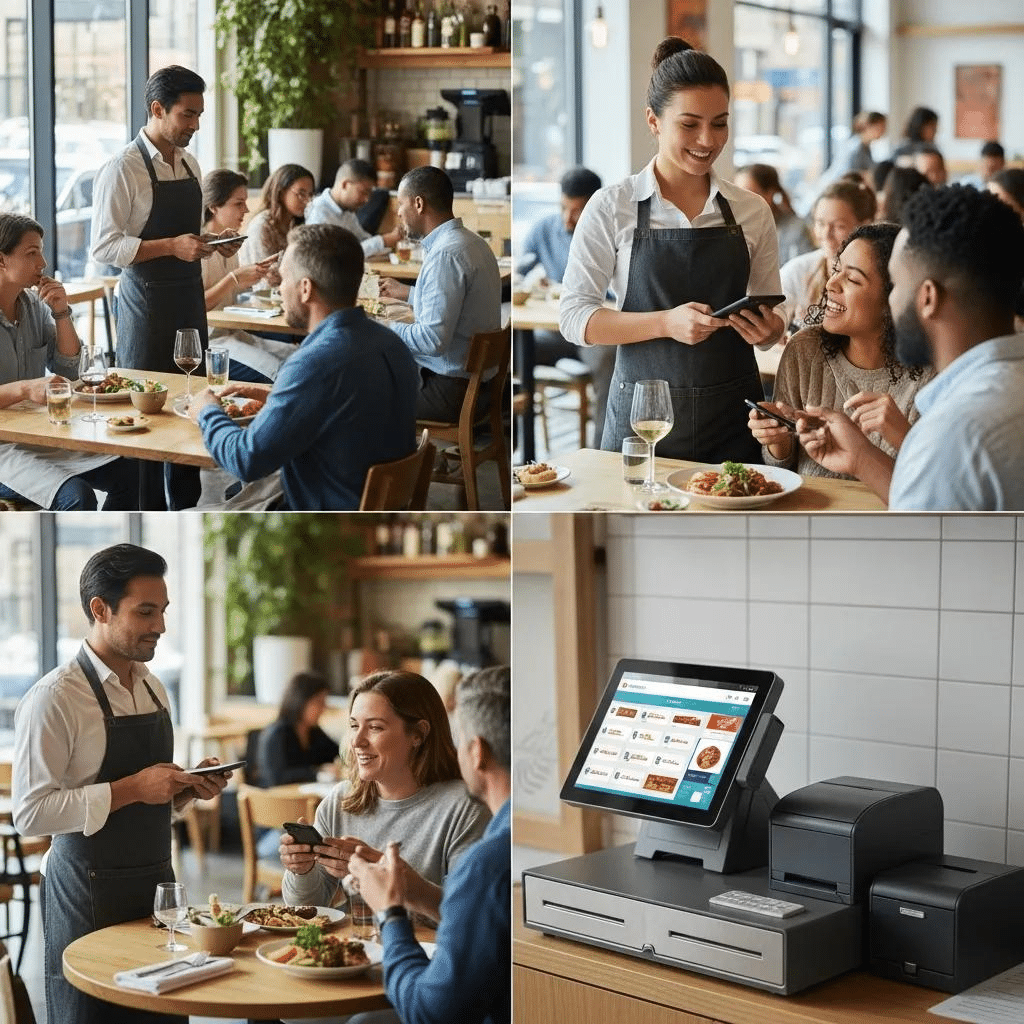
Your hospitality POS system should be a tool that protects your margins, not just a way to ring up guests. At Launch Payment Solutions, we provide high-performance hardware for restaurants and hotels that handles everything from front-desk check-ins to tableside ordering while tackling your biggest overhead cost.
We specialize in setups that allow you to pass processing fees to the guest where permitted, turning a major monthly expense into a neutral line item. Whether you’re dealing with high-risk travel bookings or international card payments, you get a secure, professional checkout that keeps more revenue in your business.
Key Features
- Integration with Payment Processing: Seamless integration with various payment gateways allows for quick and secure transactions.
- Table-side and Mobile Payments: Enabling staff to take orders and process payments directly at the table improves service speed and customer satisfaction.
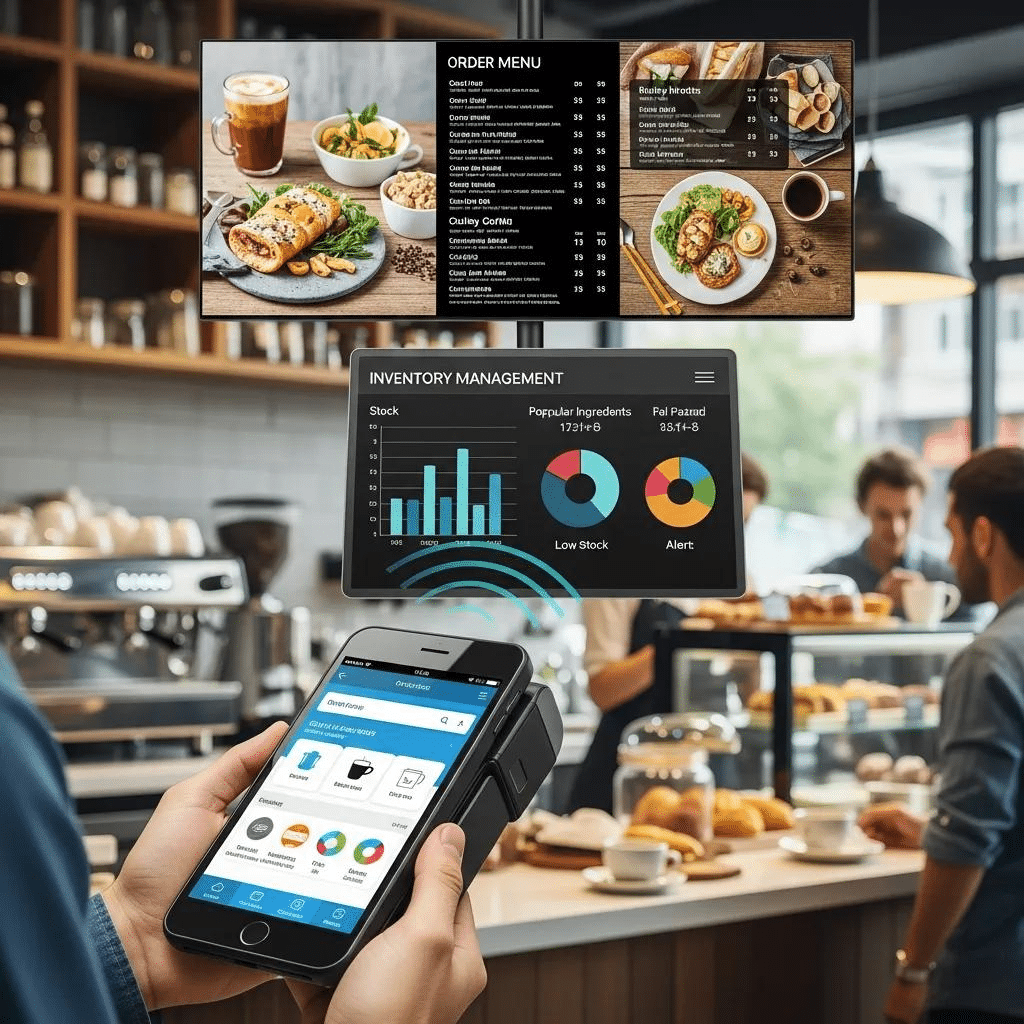
- Inventory Management: Real-time tracking of inventory helps in managing stock levels and reducing waste.
Benefits
Improved Efficiency
Automating order processing and payment transactions reduces wait times and enhances service delivery.
Faster Transactions
Quick payment processing speeds up the checkout experience, leading to higher customer turnover.
Enhanced Security
Advanced security features protect sensitive customer data and ensure compliance with industry regulations.
Best Practices
To maximize the effectiveness of hospitality POS systems, businesses should consider the following best practices:
- Choose the Right Provider: Selecting a reputable POS provider ensures access to reliable support and updates.
- Evaluate Business Needs: Assessing specific operational requirements helps in choosing a system that aligns with business goals.
- Prioritize Security: Implementing strong security measures protects against data breaches and builds customer trust.
What are the Key features of Modern Hospitality POS Systems?
-
Table-side Ordering and Payment Processing: This feature allows servers to take orders and process payments directly at the table, enhancing the dining experience.
-
Menu Customization: Businesses can easily update their menus in real-time, accommodating seasonal changes or special promotions.
-
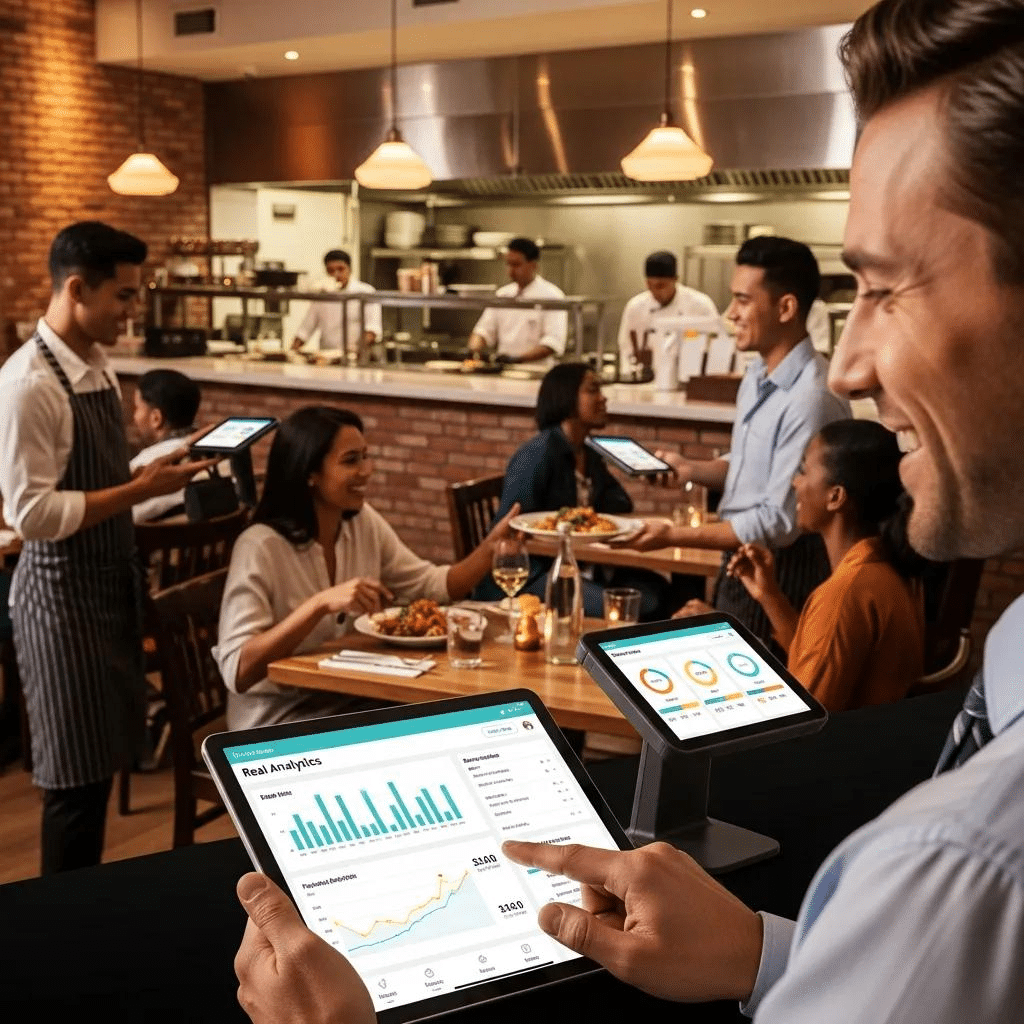
Real-time Reporting and Analytics: Access to real-time data helps managers make informed decisions regarding inventory, staffing, and sales trends.
How do Restaurant POS Systems Enhance Operational Efficiency?
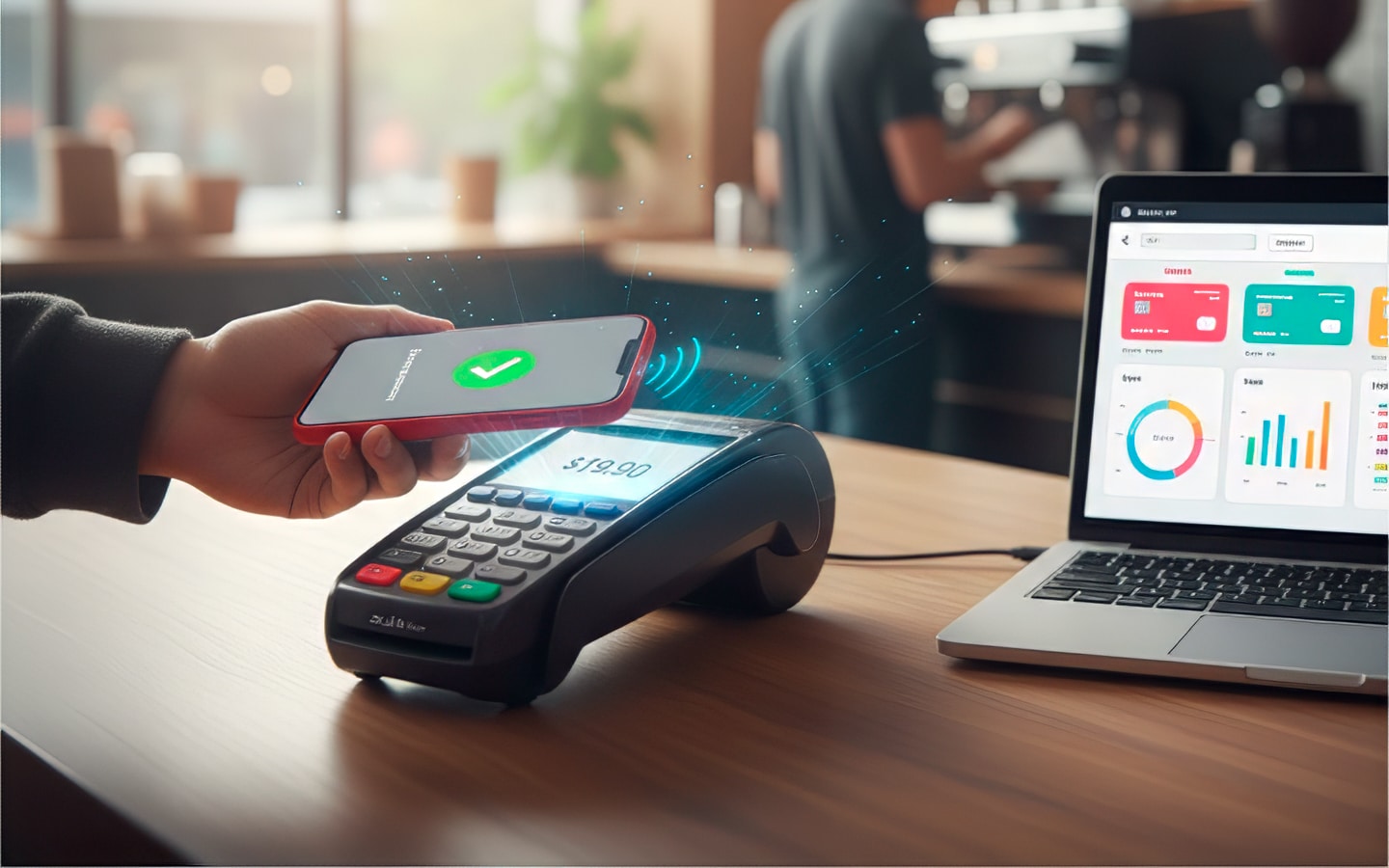
What payment processing capabilities aer essential for Hospital POS?
Integration with Payment Gateways
This allows for secure and efficient transaction processing.
Real-tim Reporting and Analytics
Access to transaction data helps businesses track sales and identify trends.
Enhanced Security
Advanced security features protect sensitive customer data and ensure compliance with industry regulations.
How does PCI DSS Compliance Protect Hotel Transactions?
Payment processing in the hospitality sector must adhere to strict security and compliance standards. Key aspects include:
-
PCI DSS Compliance: Ensuring that all payment processing meets the Payment Card Industry Data Security Standard protects customer data.
-
Encryption and Tokenization: These technologies safeguard sensitive information during transactions, reducing the risk of data breaches.
-
Fraud Detection Systems: Implementing advanced fraud detection measures helps identify and mitigate potential threats.
Digital Compliance for Customer Data Protection in Hospitality
Digital compliance frameworks are essential for protecting customer data across service and hospitality operations platforms characterized by high transaction intensity, workforce turnover, and extensive system integration. This quantitative study examined the extent to which compliance framework maturity influenced customer data protection performance across service and hospitality properties, focusing on governance, process execution, and technical control layers.
DIGITAL COMPLIANCE FRAMEWORKS FOR PROTECTING CUSTOMER DATA ACROSS SERVICE AND HOSPITALITY OPERATIONS PLATFORMS, MT Islam, 2025
What Security Protocols Protect Hospitality Payment Gateways?
Encryption
This process encodes sensitive data, making it unreadable to unauthorized users.
Tokenization
Replacing sensitive card information with unique identifiers reduces the risk of data theft.
Compliance with PCI DSS
Adhering to these standards ensures that payment systems are secure and reliable.
These protocols collectively enhance the security of payment gateways, protecting both businesses and customers.
How are High-Risk Merchant Accounts managed in Hospitality?
Managing high-risk merchant accounts in the hospitality sector requires careful consideration of various factors. Key strategies include:
Fraud Prevention Tools
Utilizing advanced tools helps detect and prevent fraudulent transactions.
Clear Billing Descriptors
Providing clear descriptions on customer statements reduces chargebacks and disputes.
Negotiating Fees
Working with payment processors to negotiate lower fees can improve profitability for high-risk accounts.
By implementing these strategies, hospitality businesses can effectively manage the challenges associated with high-risk merchant accounts.
What are the benefits of cloud POS Solutions and Mobile POS for Restaurants?
Streamlined Operations
Cloud-based systems allow for easy access to data from anywhere, facilitating better management.
Real-time Analytics
Access to real-time data helps businesses make informed decisions quickly.
Table-side Payments
Mobile POS systems enable servers to process payments directly at the table, enhancing customer convenience.
How Do Cloud POS Systems Support Multi-Location Hospitality Businesses?
Centralized Data Management
All locations can access a single database, ensuring consistency in operations.
Real-time Analytics
Managers can monitor performance across multiple locations in real-time, allowing for quick adjustments.
Scalability
Cloud systems can easily accommodate growth, making it simple to add new locations.
These features support efficient management of multi-location operations, enhancing overall business performance.
Modernizing Hospitality POS with Cloud & AI for Efficiency
The modernization of Point-of-Sale (POS) systems is critical to meet the evolving demands of the retail and hospitality industries. Traditional POS systems, often reliant on on-premises hardware and limited software capabilities, face challenges such as scalability issues, high maintenance costs, and inflexibility. Recent advancements in cloud computing and Artificial Intelligence (AI) have facilitated significant transformations in POS technologies, offering scalable, secure, and efficient alternatives. Cloud computing provides benefits such as centralized data management, real-time access, and enhanced security, while AI enables smarter, more personalized customer experiences through predictive analytics, automation, and fraud detection. This paper explores the integration of cloud and AI in modern POS systems, evaluating their impact on operational efficiency, cost-effectiveness, and customer satisfaction.
Modernizing Point-of-Sale (POS) Systems with Cloud and AI, 2022
What Advantages Do Mobile POS Devices Offer for Restaurant Operations?
Mobile POS devices offer several advantages for restaurant operations, including:
-
Increased Flexibility: Staff can take orders and process payments anywhere in the restaurant, improving service speed.
-
Faster Transactions: Mobile devices streamline the payment process, reducing wait times for customers.
-
Enhanced Customer Experience: The convenience of mobile payments leads to higher customer satisfaction.
How do Hospitality POS Systems Integrate International Payment Solutions?
Support for Multiple Currencies
This feature allows customers to pay in their preferred currency, enhancing convenience.
Compliance with International Regulations
Ensuring adherence to local laws and regulations is crucial for smooth operations.
Integration with Global Payment Gateways
This enables businesses to process payments from various international sources efficiently.
Which Multi-Currency options are supported?
Multi-currency payment options supported by hospitality POS systems typically include:
-
Credit and Debit Cards: Most systems accept major credit and debit cards in various currencies.
-
Mobile Payment Solutions: Options like Apple Pay and Google Pay allow for seamless transactions in multiple currencies.
-
Cryptocurrency Payments: Some systems are beginning to support cryptocurrency transactions, catering to a growing market.
Evolution of Payment Methods in Hospitality & Tourism
Payment methods have been undergoing a series of developments and changes in recent years due to technological innovations, policy support, and epidemics. This literature review comprehensively examines 265 articles on payment methods over the past decade from various perspectives (consumer, technology, merchant, meso-macro, etc.), focusing on research within the hospitality and tourism sector. Our review indicates that while research on payment methods in the hospitality and tourism field is less extensive than in other domains, it covers a wide range of topics. The most prevalent scenarios for payment methods in hospitality and tourism include restaurants, hotels, transportation, medical tourism, and the sustainability of payment methods. Among these, mobile payments are extensively explored, and digital currencies (including cryptocurrencies and Central Bank Digital Currency) are poised to be the next innovation in payment methods within the hospitality and tourism sector.
A systematic literature review on payment methods in hospitality and tourism, R Wang, 2025
How is compliance maintained for Cross-Border Transactions?
Maintaining compliance for cross-border transactions involves several key practices:
-
Anti-Money Laundering (AML) Regulations: Adhering to AML regulations helps prevent illegal activities.
-
Know Your Customer (KYC) Policies: Implementing KYC policies ensures that businesses verify the identity of their customers.
-
Data Protection Measures: Ensuring compliance with data protection laws safeguards customer information during cross-border transactions.